
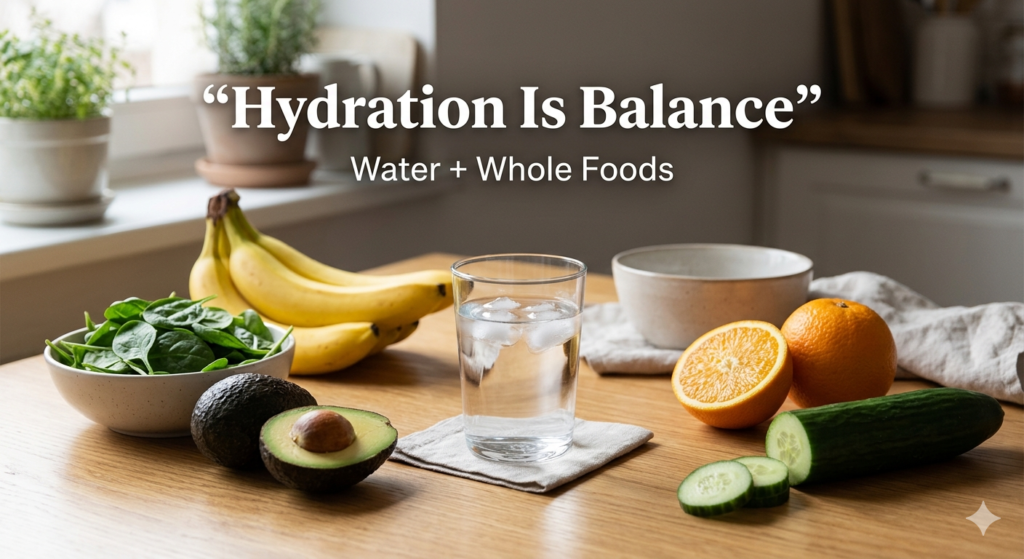
Hydration is often reduced to a single recommendation: drink more water. While fluid intake is essential, emerging discussions in health and performance emphasize that hydration is more complex than volume alone.
Electrolytes play a critical role in maintaining fluid balance within the body. Minerals such as sodium, potassium, magnesium, and calcium regulate nerve signaling, muscle contraction, and the movement of fluids across cell membranes. Without proper electrolyte balance, water intake alone may not fully support physiological function.
This distinction is becoming increasingly relevant as both dehydration and overhydration are being discussed in health and fitness spaces. In some cases, individuals who consume large amounts of water without adequate electrolyte intake may experience symptoms such as fatigue, headaches, or muscle discomfort.
At the same time, the growing popularity of electrolyte supplements has introduced another consideration. Many commercially available products are marketed for daily use, even among individuals with moderate activity levels. However, for the average person, electrolyte needs can often be met through a balanced diet.
Whole foods remain a primary source of electrolytes. Fruits, vegetables, and minimally processed foods provide these minerals in combination with fiber and other nutrients that support absorption and metabolic function. This integrated approach may offer advantages over isolated supplementation in routine conditions.
Electrolyte supplementation may be beneficial in specific scenarios, such as prolonged physical activity, excessive sweating, or certain medical conditions. Outside of these contexts, consistent hydration supported by nutrient-dense foods is generally sufficient.
As hydration continues to be recognized as a foundational component of health, the conversation is shifting from quantity to quality and balance. Understanding how fluids and electrolytes work together provides a more accurate picture of what effective hydration looks like.
In practical terms, hydration is not just about how much water is consumed.
It is about how well the body is able to use it.
Discover more from wellnesswaynews.com
Subscribe to get the latest posts sent to your email.