
Your bones are alive. And like muscle, they respond to stress.
Osteoporosis isn’t an inevitable part of aging. It’s the result of insufficient mechanical loading over decades. Bone density peaks in your late 20s and declines thereafter—unless you give your skeleton a reason to stay strong.
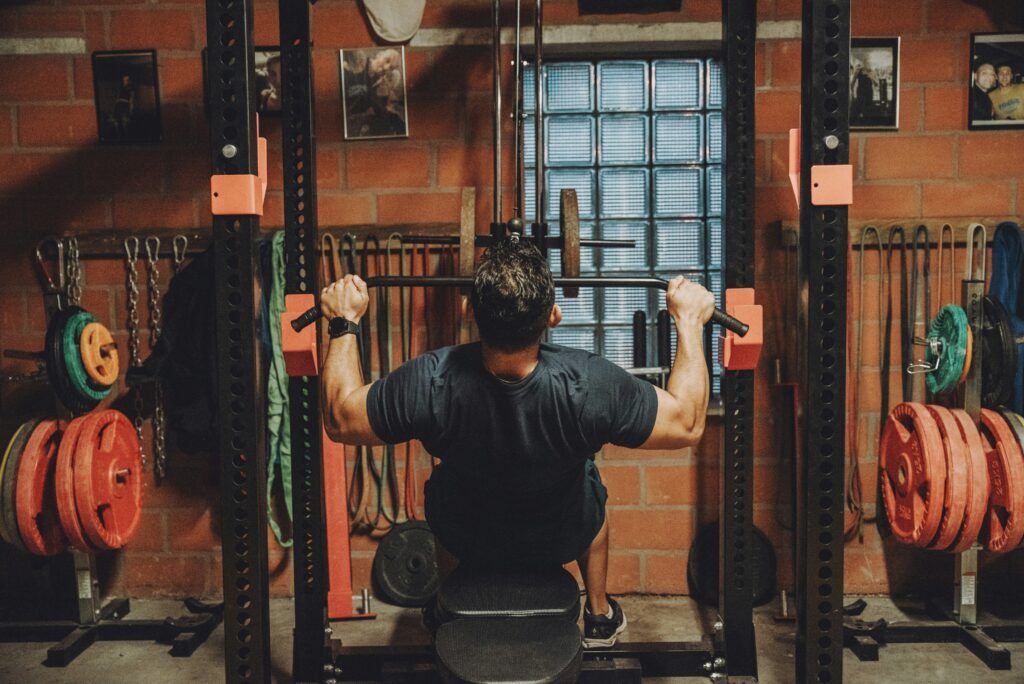
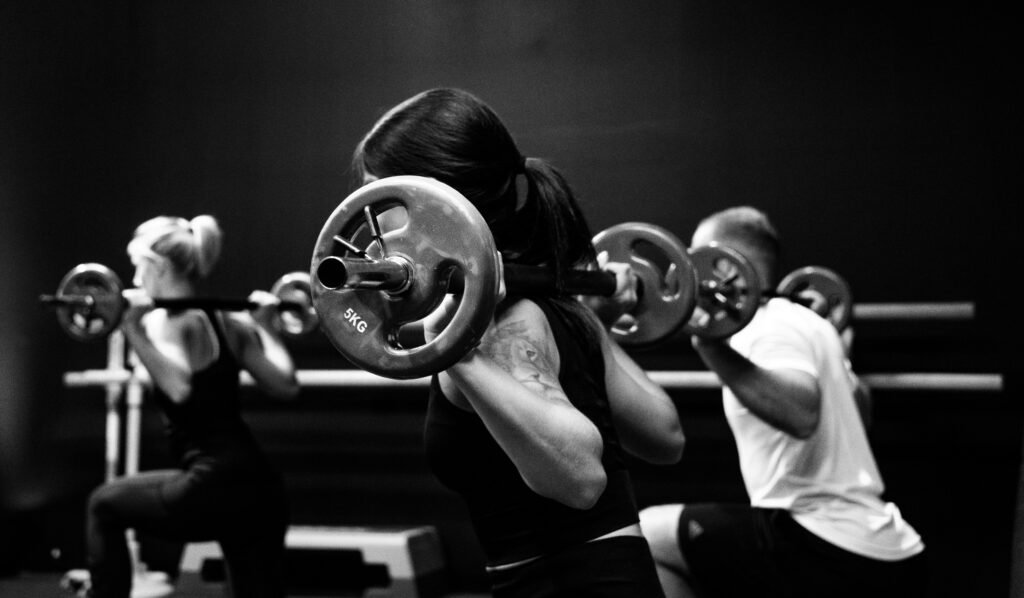
Osteogenesis, the process of bone formation, is triggered by impact and resistance. When you lift heavy, jump, sprint, or perform plyometrics, your bones experience microdamage. In response, osteoblasts (bone-building cells) lay down new bone tissue, increasing density.
A 2017 study in the Journal of Bone and Mineral Research found that high-impact exercise (jumping, sprinting) and heavy resistance training (squats, deadlifts) significantly increased bone mineral density in postmenopausal women—a population at high risk for osteoporosis.
Walking doesn’t cut it. Low-impact activities like swimming and cycling, while beneficial for cardiovascular health, provide minimal bone-building stimulus. Your bones need force.
Nutrition plays a supporting role. Calcium, vitamin D, vitamin K2, and magnesium are essential for bone mineralization. Protein intake also matters—collagen provides the structural matrix for bone tissue.
But here’s the truth: you can’t supplement your way out of a sedentary lifestyle. Load-bearing exercise is non-negotiable.
Start young. Maintain through middle age. Double down as you age. Your future mobility, independence, and quality of life depend on the bone density you build today.
Lift heavy. Jump high. Build bones that last.
Wellness is the way.
Discover more from wellnesswaynews.com
Subscribe to get the latest posts sent to your email.